Travel Guide
LEARN EXPLORE GROW
LEARN EXPLORE GROW
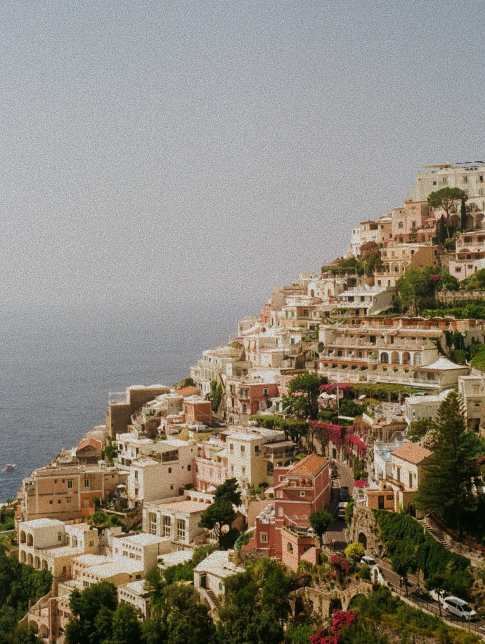
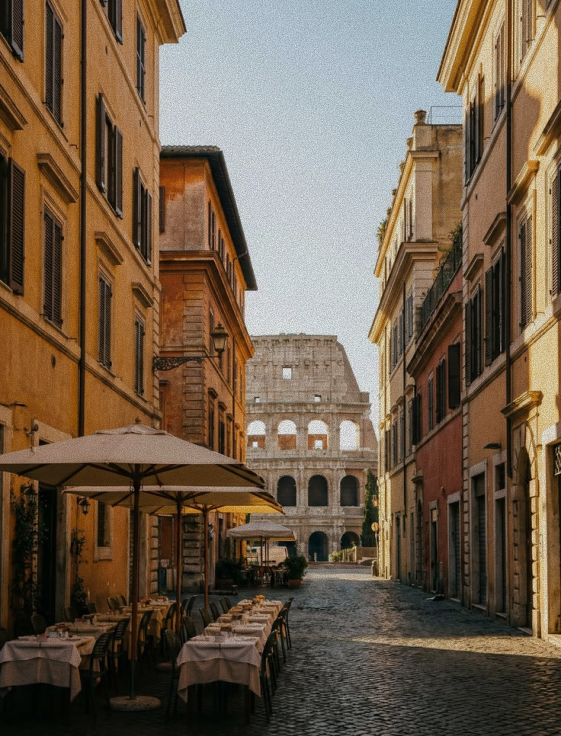
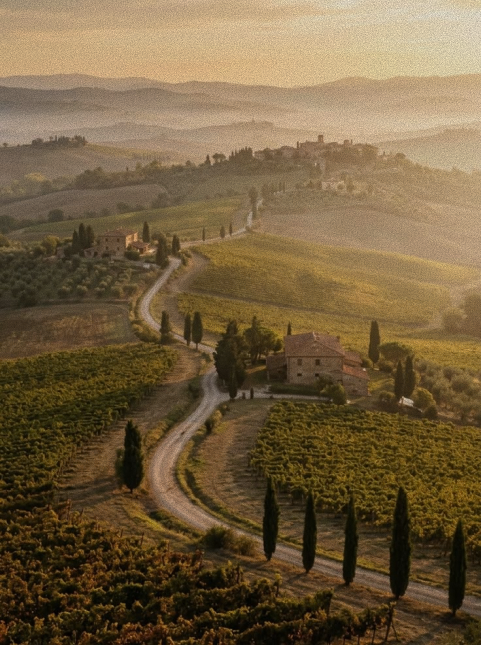
Italy is a country in southern Europe known for its rich history beautiful landscapes and strong cultural influence. It
is shaped like a boot and is surrounded by the Mediterranean Sea with famous geographic features such as the Alps in the
north and volcanoes like Mount Vesuvius and Mount Etna in the south. The official language is Italian and the currency
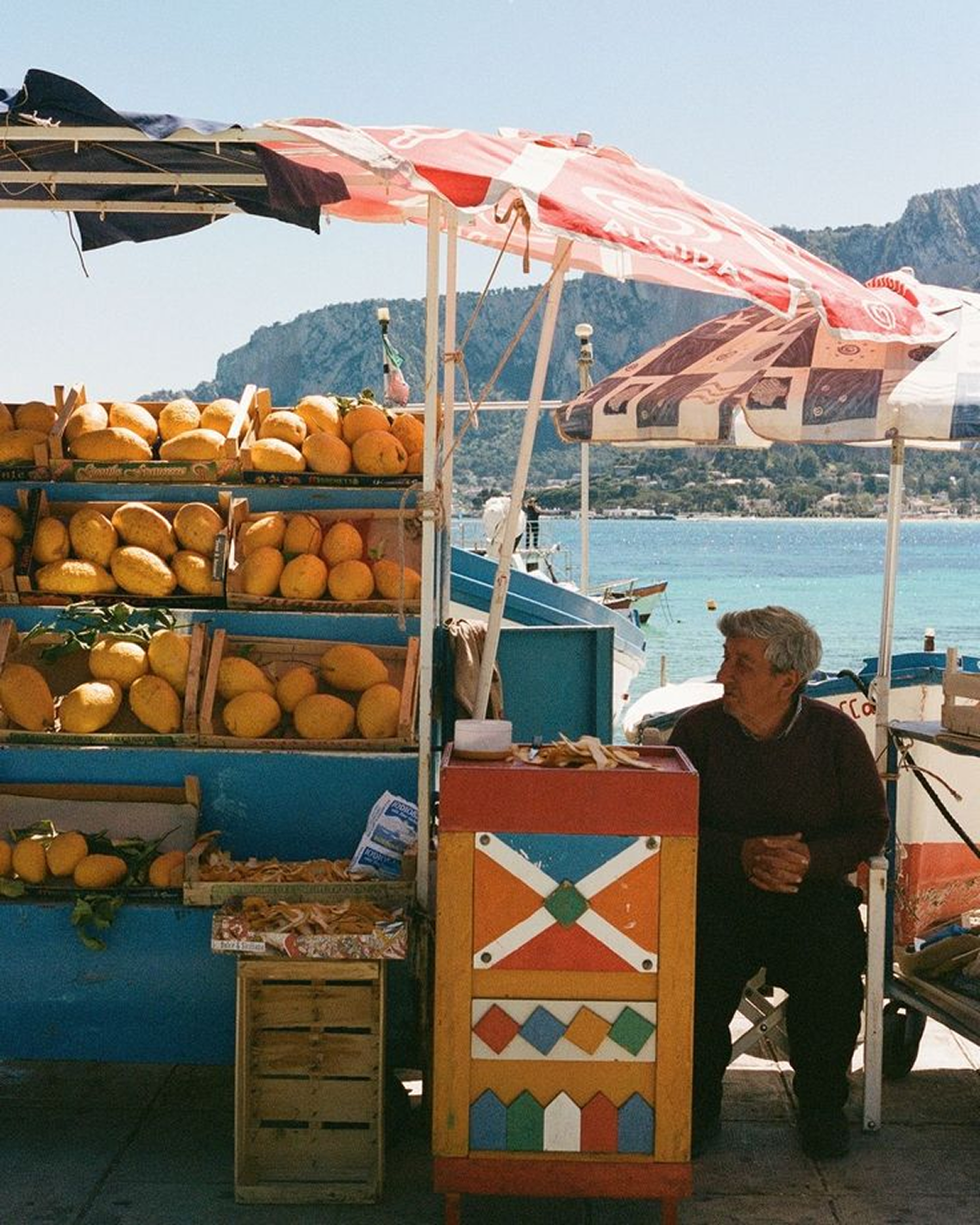
used is the euro. Italy has a warm climate in many regions which helps grow olives grapes tomatoes and other important
ingredients used in its cuisine.
Italy is also famous for its long and important history. It was once the center of the powerful Roman Empire which
influenced language architecture law and government across Europe. Later Italy became the birthplace of the Renaissance
a period of artistic and scientific growth led by people such as Leonardo da Vinci and Michelangelo.The country is
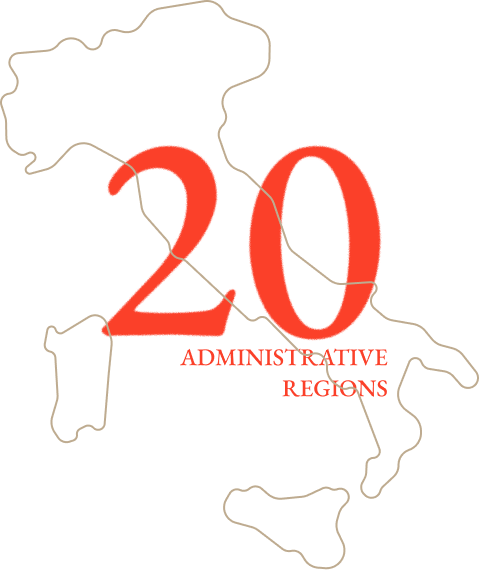
divided into 20 different regions each with its own traditions culture landscapes and dialects. Some regions such as
Tuscany and Lombardy are known for their famous cities and tourism while others like Sicily and Sardinia are large
islands with unique customs and histories. This regional diversity makes Italy one of the most culturally varied
countries in Europe.

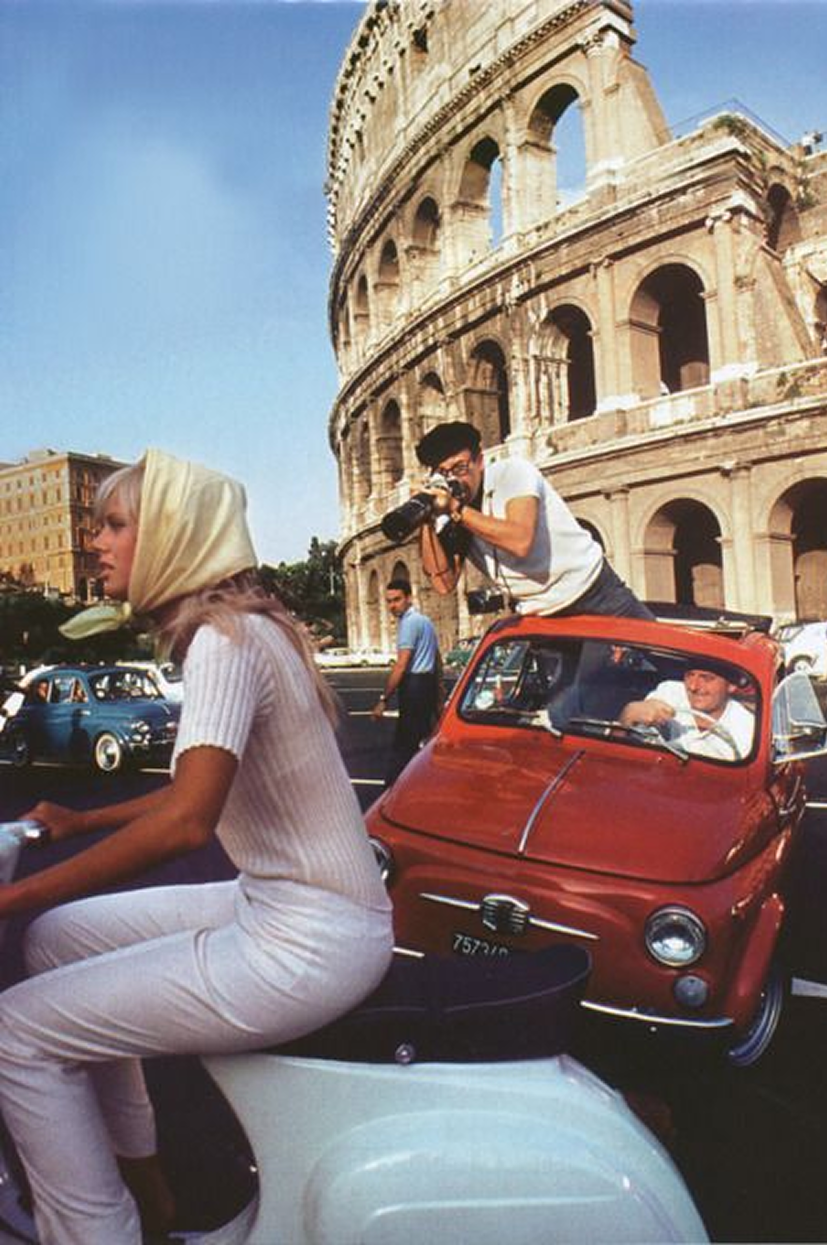
Rome is the capital of Italy and is famous for its ancient history landmarks like the Colosseum, Vatican City and its major influence on art culture and politics.
Milan is a major city in northern Italy known for fashion, finance, modern architecture and famous landmarks such as the Duomo di Milano.
Venice is a unique city in northeastern Italy famous for its canals, gondolas, historic architecture and beautiful waterways instead of roads.
Florence is a historic city in central Italy known as the birthplace of the Renaissance and famous for its art, architecture and landmarks such as the Florence Cathedral.

EFFORTLESS SERENE INDULGENT
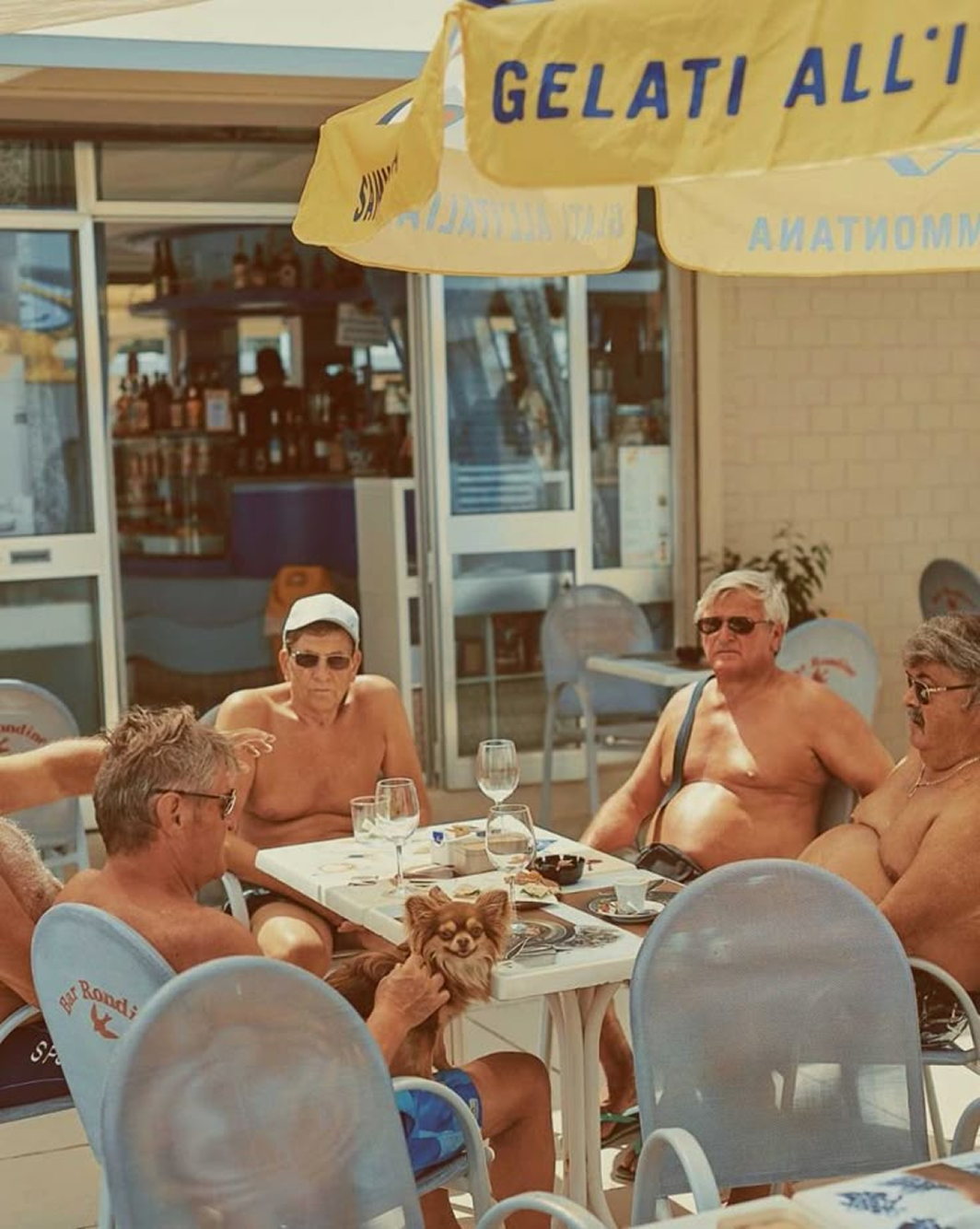
The culture is rich in history, tradition, art, food, fashion, and strong family values. Italians place great importance
on spending time with loved ones, celebrating festivals, sharing long meals, and enjoying everyday life. The country is
famous for its architecture, music, and influence from the Roman Empire and the Renaissance period. An important idea in
Italian culture is “La Dolce Vita,” meaning “the sweet life,” which represents appreciating life’s simple pleasures such
as good food, beautiful surroundings, meaningful conversations, and relaxation. Rather than constantly rushing, this
encourages people to slow down, enjoy the present moment, and find happiness in everyday experiences.
This philosophy of prioritizing joy is beautifully woven into the physical layout and social fabric of Italian towns.
The local piazza serves as an open-air living room where generations naturally collide, transforming simple daily
routines into opportunities for human connection. Central to this lifestyle is the concept of il dolce far niente—the
sweetness of doing nothing—which elevates quiet moments of reflection from mere idleness into a respected art form.
Whether it is partaking in the evening passeggiata (a leisurely, fashionable stroll through town before dinner) or
pausing at a neighborhood cafe for an espresso, Italians consciously design their days to ensure that work serves life,
rather than life serving work. This deep cultural reverence for balance transforms ordinary habits into an ongoing
celebration of existence itself.